

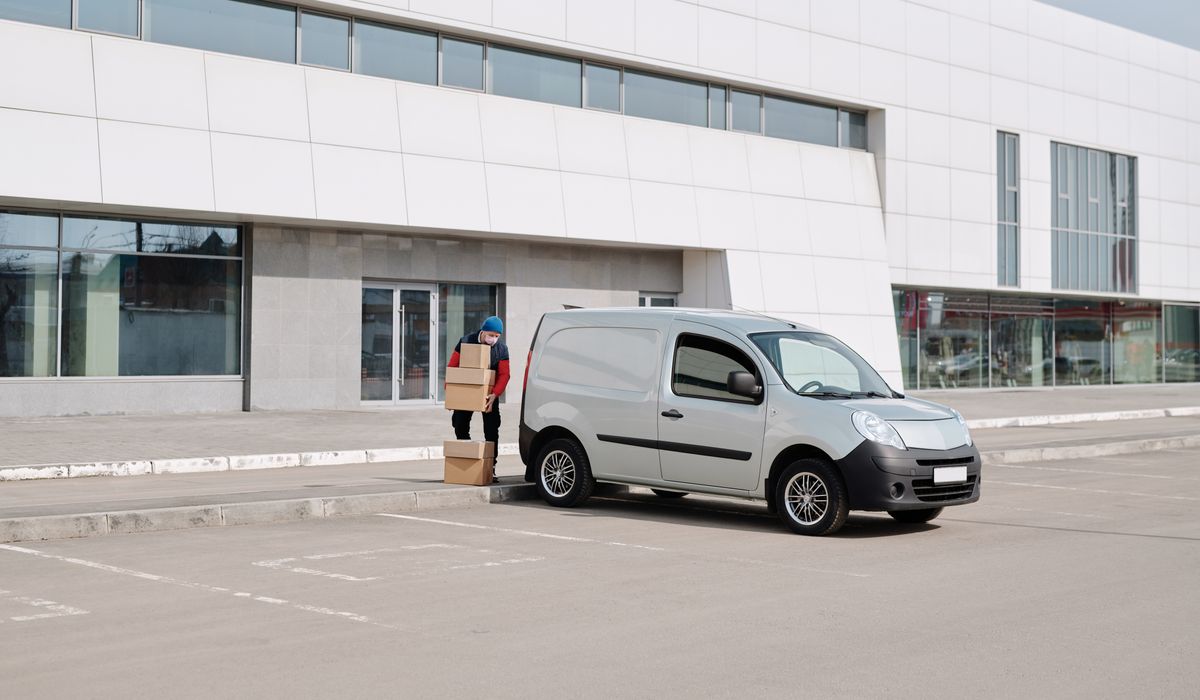
Bromley and the surrounding boroughs throw a lot at a removal van. You have the long climbs up to Chislehurst and Shortlands, the tight residential streets around Beckenham and Penge, the speed humps that seem to breed in West Wickham, and the uneven camber of older roads near Crystal Palace. A van that is loaded carelessly will shift, rub, and sometimes topple the moment you pull away from the kerb. A van that is loaded well will carry everything from a piano to a flat-pack wardrobe without a single scratch.
Good loading is not about strength. It is about order, weight, and restraint. Get those three right and the drive to a new home or business premises becomes far less stressful.
Start with the heaviest items and place them directly on the van floor. That means washing machines, chest freezers, tumble dryers, filing cabinets, tool chests, and boxes of books or tiles. Never stack a heavy item on top of a sofa or a mattress, and never leave a heavy box balanced on a lighter one.
Heavy items belong over or just in front of the rear axle where possible. On a typical panel van or 3.5-tonne removal van, that is the strongest part of the load bed. Keep them tight against each other so they cannot shuffle sideways when you turn out of a junction.
A van with all the weight at the back will feel light and twitchy at the front. A van with all the weight on one side will lean through roundabouts. Aim for roughly 60 per cent of the weight forward of the rear axle and 40 per cent behind it, and keep the left and right sides as balanced as you can.
Build upwards in layers. Heavy on the bottom, medium in the middle, light on top. Mattresses, cushions, duvets, and light plastic boxes are ideal for the final layer because they compress and fill awkward gaps. If you are moving a business, put the heaviest equipment low and use lighter stock boxes to level off the top of the load.
Check the van's payload plate before you start. A typical hire van in Bromley has a payload of around 1,000 to 1,200 kilograms, and it is surprisingly easy to exceed that with a three-bedroom house.
Furniture rubs. A wooden chair leg against a dining table will leave a mark over a ten-minute drive, let alone a trip across South East London. Wrap and separate everything that could touch.
Blankets do more than stop scratches. They add friction, which means the load is less likely to creep forward when you brake on the A21 or down the hill towards Bromley South.
Straps and load bars are what keep a tall wardrobe or a settee from becoming a missile. Most removal vans have internal tie rails or lashing points along the walls. Use them.
Run a ratchet strap or cam strap over the top of tall items and anchor it to both sides. For a settee or an armchair, lay it on its side or back, then strap across the widest part. Use load bars horizontally across the van to create a wall that stops anything sliding backwards. Check the straps after the first few miles, because they can loosen once the van settles.
Never rely on friction alone for anything taller than waist height, and never strap over a sharp edge without a blanket underneath.
Once the doors are closed, walk around the van. Push against the load through the rear doors if you can, or open them briefly and give the tallest items a gentle shove. Nothing should move more than a centimetre. Check that the rear doors shut without force, that the side door clears the load, and that nothing is pressing against a window or a tail light from inside.
Then do a slow lap of the block before you join traffic. Listen for rattles, feel for any pull to one side, and pull over to adjust if something has settled. A few minutes of care at the kerb saves hours of damage claims and a lot of frayed tempers later.

Bromleyhaulage Simple, genuine and looked after with care — the kind of place worth returning to.

Bromleyhaulage Simple, genuine and looked after with care — the kind of place worth returning to.

A clear quote should list mileage, labour, fuel, tolls and any parking permits. Ask about insurance cover and whether packing materials are included in the total price.

Comments
ALina Kelian
19th May 2018 ReplyBromleyhaulage Simple, genuine and looked after with care — the kind of place worth returning to. ullamco laboris nisi ut aliquip ex ea commodo consequat.
Rlex Kelian
19th May 2018 ReplyBromleyhaulage Simple, genuine and looked after with care — the kind of place worth returning to. ullamco laboris nisi ut aliquip commodo.
Roboto Alex
21th May 2018 ReplyBromleyhaulage Real stories, useful guides and the occasional recommendation, all in one calm corner of the web. ullamco laboris nisi ut aliquip ex ea commodo consequat.