

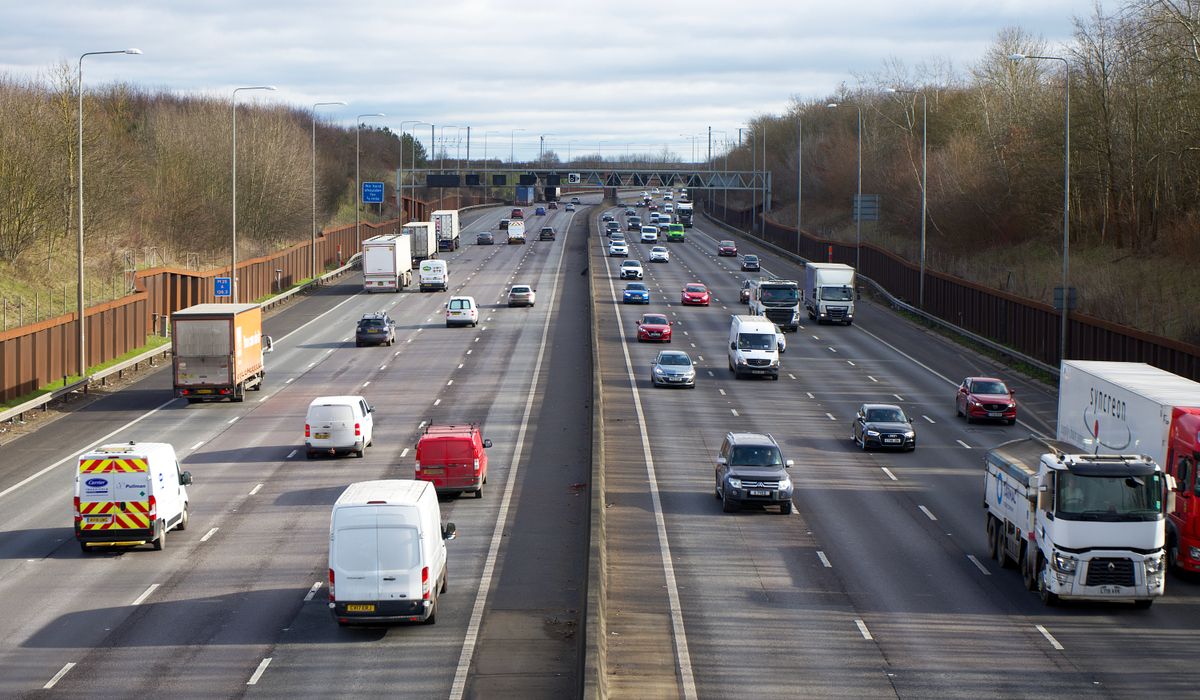
If you live or work in Bromley, Beckenham, or Penge, many streets were not built for today’s delivery vehicles. Victorian terraces, narrow driveways, and busy high streets make moving heavy items tricky. A tail lift – the hydraulic platform on the back of a lorry – is often the safest solution. It removes manual lifting of washing machines, sofas, pianos, or pallets. The load is placed on the platform, secured, and lowered gently to ground level.
For businesses, tail lifts keep shop fits, catering equipment, and stock moving without risking injuries. For homeowners, they make removals far less stressful. But a tail lift has clear limits. Ignoring them causes delays, damage, or worse. Understanding how they work – and what they need from you – saves time on delivery day.
A tail lift relies on a stable base. The lorry must park on ground as level as possible. A slight camber is fine, but steep slopes are not. On a hill, the platform can tilt, causing the load to slide or the lift to strain. In Bromley, roads like Shortlands or Chislehurst can be surprisingly steep. The driver will look for a flat spot, even if that means parking a short distance away.
The surface must be solid. Loose gravel, soft grass, or uneven paving can cause wheels or lift legs to sink. The platform itself needs to rest flat without wobbling. If you have a gravel driveway, warn the haulier in advance – they may need boards or a different unloading point. Clear the area behind the lorry. Overhanging trees, low cables, and parked cars can block the tail lift. In busy parts of South East London, a neighbour’s car might need moving temporarily.
Every tail lift has a maximum weight capacity, often between 500kg and 1,500kg. That is not the lorry’s total payload. The lift’s limit applies to the load on the platform at any one time. If you expect a pallet of tiles weighing 1,200kg, but the tail lift is rated to 750kg, the driver cannot unload it safely. They may break the load down or return another day. Confirm weights and dimensions when booking a delivery or removal.
Ask: what is the heaviest single item? A piano, safe, commercial oven, or pallet of bricks can easily exceed a standard tail lift. Also consider the item’s footprint. A long, awkward item might not fit on the platform, even if under the weight limit. Provide accurate information to your haulier. They can then send the right vehicle – or arrange a crane or extra manpower. Guessing leads to failed deliveries, and in Bromley’s busy streets, a blocked road is the last thing anyone wants.
Tail lifts are not operated by just anyone. Drivers and crews should be trained in safe use, including pre-use checks, load securing, and emergencies. Under UK health and safety rules, employers must ensure operators are competent. A trained operator will:
If you are a business receiving regular heavy deliveries, ask about operators’ training. Homeowners can rely on a professional firm. But you can help by keeping children and pets away, and not distracting the operator while the tail lift is moving.
Preparation makes the operation smoother. Before the lorry arrives, think about where it will park. In Bromley and South East London, parking is tight. If you have a driveway, clear it of bins, toys, and obstacles. If you rely on street parking, consider whether a suspension or bay is needed. The lorry needs at least 3 to 4 metres behind it for the tail lift to unfold and the load to be lowered.
Check the route from lorry to door. Are there steps, narrow gates, or heavy doors? A tail lift gets the item to ground level, but someone still has to move it to its final position. For heavy or bulky items, you may need a pallet truck or stair-climbing trolley. If your property has a steep driveway, tell the haulier beforehand. They might need a different entrance or a longer ramp. Also, rain makes the platform slippery, so allow extra time and keep the area clear of puddles.
To sum up, a successful tail lift delivery comes down to communication and preparation. Use this checklist before your next heavy delivery or removal in South East London:
Tail lifts are brilliant tools for heavy deliveries, but they work best when everyone knows the limits. By checking weights, ground conditions, and access in advance, you will avoid delays, protect your goods, and keep your Bromley or South East London delivery running smoothly. Whether moving a family home or restocking a shop, preparation goes a long way.

Bromleyhaulage Simple, genuine and looked after with care — the kind of place worth returning to.

Bromleyhaulage Simple, genuine and looked after with care — the kind of place worth returning to.

Place heavy items on the floor, distribute weight evenly and use blankets between furniture. Strapping larger pieces to the van walls stops movement on uneven roads.

Comments
ALina Kelian
19th May 2018 ReplyBromleyhaulage Simple, genuine and looked after with care — the kind of place worth returning to. ullamco laboris nisi ut aliquip ex ea commodo consequat.
Rlex Kelian
19th May 2018 ReplyBromleyhaulage Simple, genuine and looked after with care — the kind of place worth returning to. ullamco laboris nisi ut aliquip commodo.
Roboto Alex
21th May 2018 ReplyBromleyhaulage Real stories, useful guides and the occasional recommendation, all in one calm corner of the web. ullamco laboris nisi ut aliquip ex ea commodo consequat.